

Small Problems Don't Stay Small
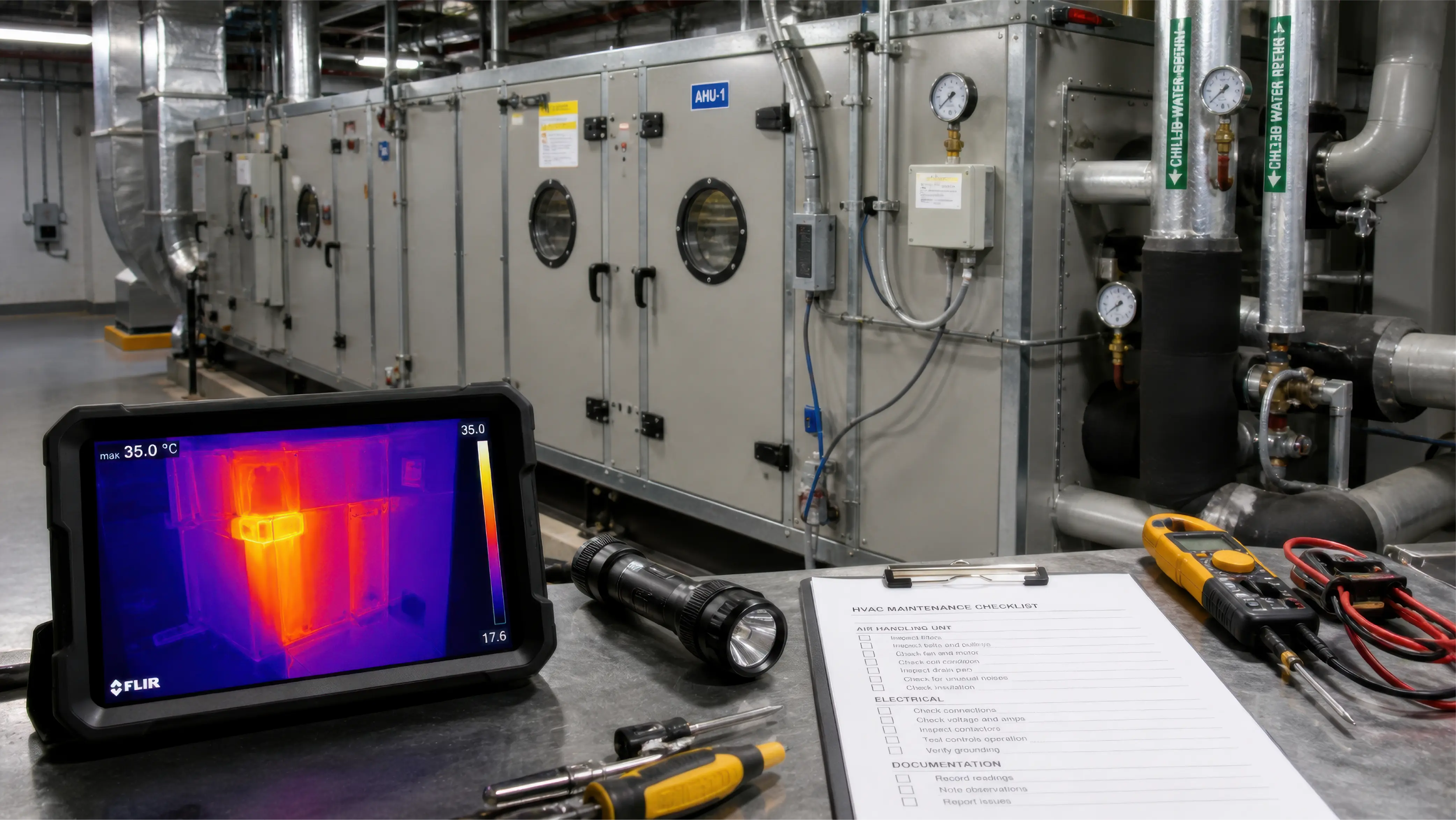
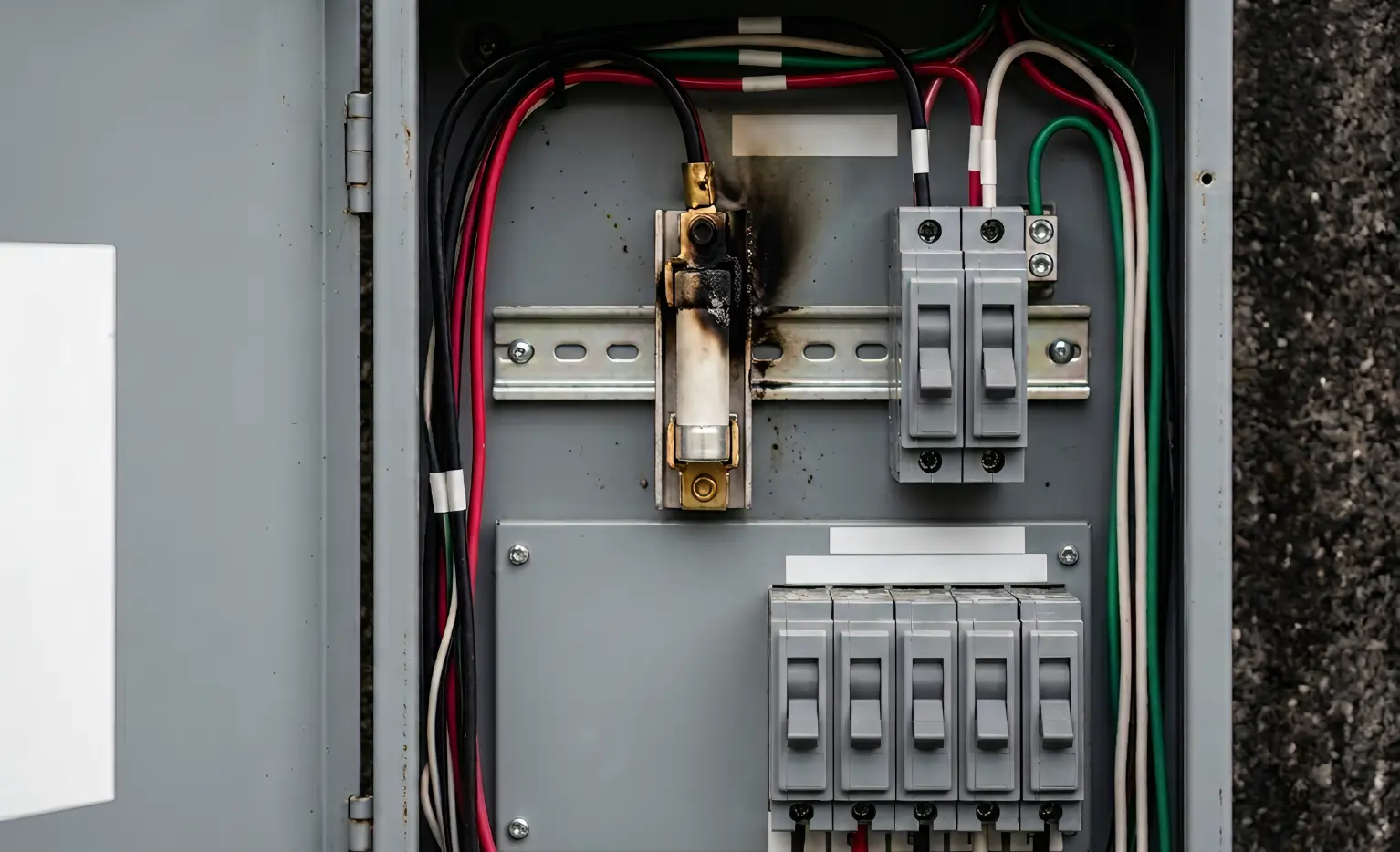
Electrical failures rarely happen without warning, but that warning is often invisible until it's too late to act on cheaply. Routine infrared inspections give you a way to catch problems while they're still inexpensive to fix, instead of after they've become an emergency.
The Return on a Small Investment
Industry experience shows infrared inspection programs often return approximately $4 for every $1 invested, through avoided repairs alone. Factor in reduced downtime and uninterrupted operations, and the return climbs even higher.
That math holds up because of a simple pattern: the earlier a problem is caught, the less it costs to fix.
Caught Early vs. Left Undetected
When a developing issue is identified early, the path forward usually looks like this:
- A minor, planned repair
- Scheduled maintenance instead of an emergency call
- Lower repair costs
- Minimal downtime
- A longer service life for the equipment involved
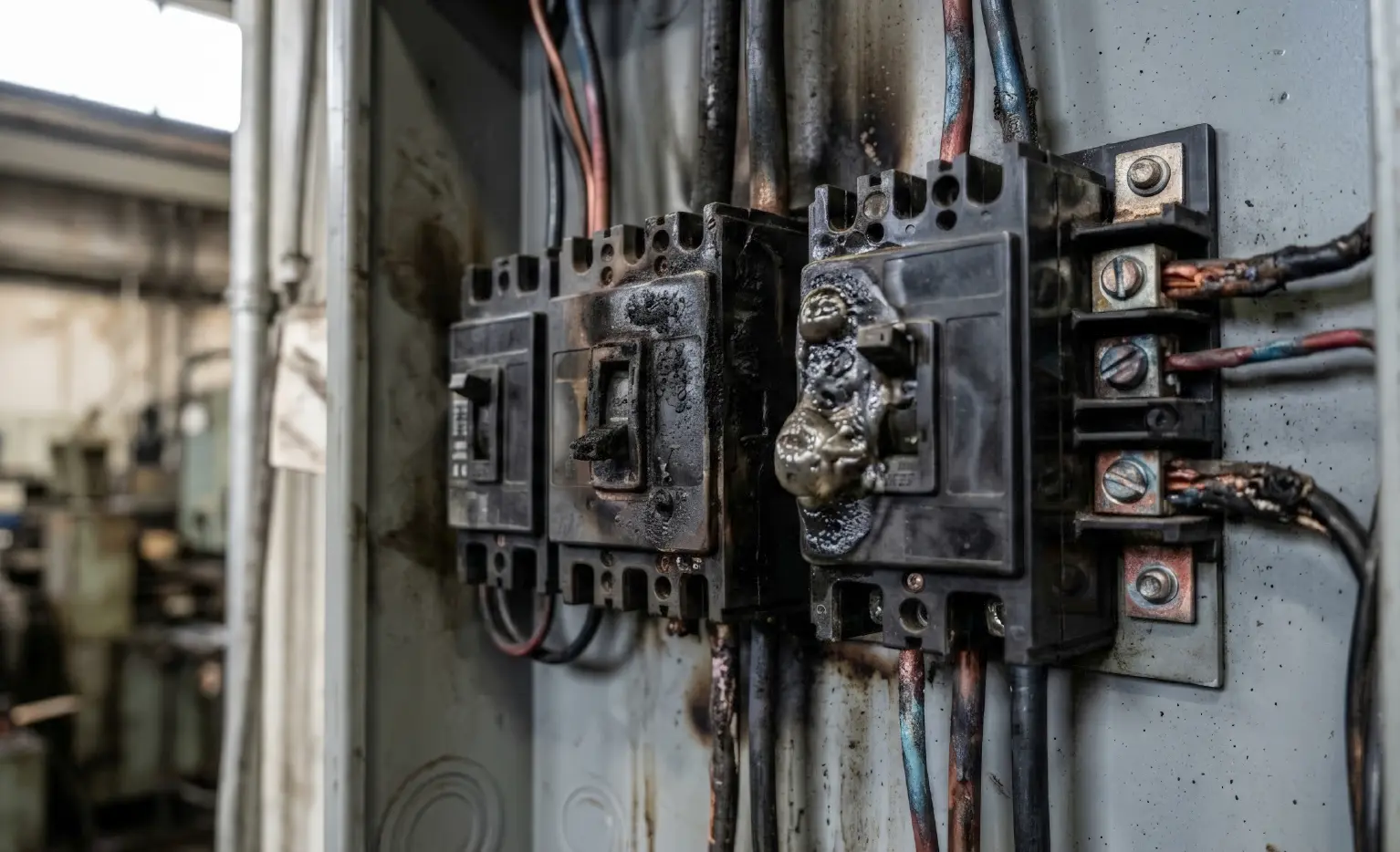
Left undetected, that same issue tends to follow a very different path:
- An emergency service call, often at a premium rate
- Equipment failure
- Costly replacement instead of repair
- Production losses or business interruption
- Increased fire risk
The best return on investment isn't a repair at all — it's the failure that never happens.
Building Waiting Out of Your Maintenance Plan
Infrared inspections work best as part of an ongoing program rather than a one-time check. Routine inspections build a thermal history of your equipment, which makes it far easier to catch small changes before they become significant ones, and to know exactly where to focus your maintenance budget.
If you're weighing whether an inspection is worth scheduling now, consider this: the cost of an inspection is fixed and predictable. The cost of waiting is not.